French LEGAL Services

French Citizenship Lawyer for U.S. and International Individuals Seeking French Nationality

Atlantic Bridge Law helps U.S. and international clients navigate the path to French citizenship—from eligibility analysis and application strategy through approval and long-term cross-border planning.

French Citizenship Pathways

Citizenship by Naturalization (Décret de Naturalisation)

The most common pathway for foreign nationals residing in France. It requires several years of residence, integration into French society, and demonstration of stability and commitment.

Citizenship by Descent
(Certificat de Nationalité Française)

Available to individuals born to at least one French parent, regardless of place of birth, subject to proof of filiation and the uninterrupted transmission of French nationality.

Citizenship by Birth or Family Ties

In certain cases, individuals may acquire French nationality through birth in France or through French parentage, depending on legal conditions.

Residency Duration Requirement

Naturalization typically requires several years of lawful residence in France, although reduced timelines may apply in specific circumstances.

Integration into French Society

Applicants must demonstrate integration, including knowledge of the French language, culture, and civic values.

Clean Record and Administrative Compliance

Authorities assess the applicant’s conduct, legal compliance, and overall integration into French society.
France remains one of the leading countries in Europe for naturalization.
100,000+
Citizenships granted annually (France)
12–18 months
Typical processing timeline (depending on prefecture and file complexity)
Black outline map of France showing the country's borders with no additional details or labels.
Nationwide Representation in France

As an Avocat à la Cour admitted to the Paris Bar, Monif Eli Chahla advises and represents clients throughout France in French business, real estate, and private client matters, working with local counsel where required by applicable procedural rules.

Concrete Examples of Citizenship Paths

Long-Term Resident
Applying for Naturalization

An individual who has lived and worked in France for several years may meet the formal requirements for naturalization, but approval depends on how the application is presented. French authorities assess the overall coherence of the file, including stability of residence, professional integration, tax compliance, and language ability. A well-structured application must go beyond documents and clearly demonstrate integration into French society.

Black and white architectural drawing of the Arc de Triomphe, showing detailed stone carvings, cornices, and part of an archway on a tall vertical canvas.

U.S. Citizen Seeking Recognition
of French Nationality by Descent

A U.S. citizen seeking a "Certificat de Nationalité Française" based on French ancestry must establish a continuous legal link to a French ancestor. This requires assembling and reconciling civil records across jurisdictions—often involving inconsistencies in names, dates, or registration systems. Without a clear, legally coherent chain of filiation, applications are frequently rejected, making precise documentation and structured presentation essential.
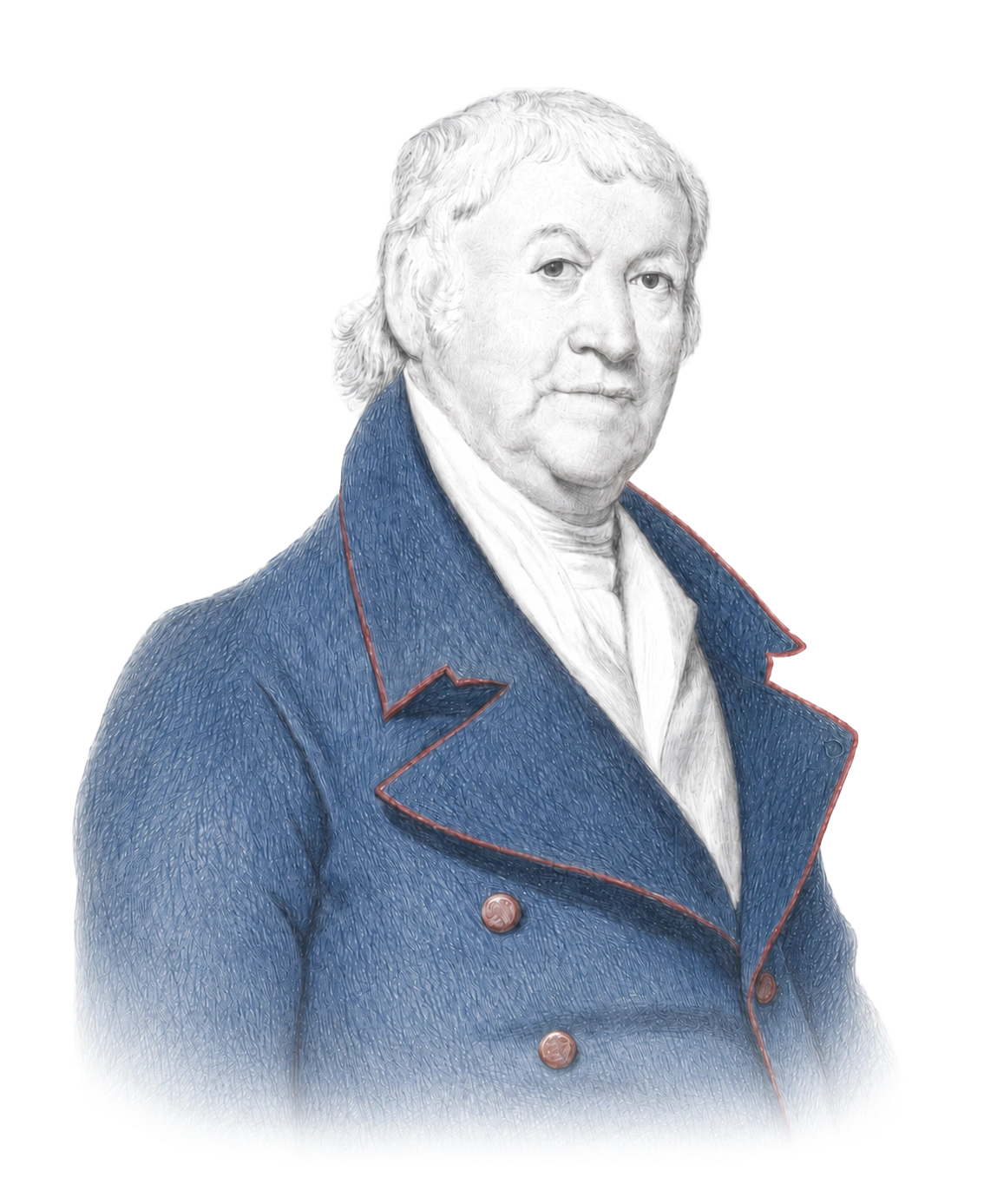
The example

Discover the Strategy in Practice — Paul's Example

Portrait of an older man with white hair wearing a blue double-breasted coat with red trim and a white cravat, looking slightly to the side.

What a French Citizenship Application Really Involves

For Naturalization Applicants
The application requires proof of residence, employment or financial stability, tax compliance, language proficiency, and integration into French society, supported by a structured and coherent file.
For Citizenship by Descent
The file must establish the transmission of French nationality through filiation, including proof of the French parent’s nationality and civil status documents demonstrating an unbroken legal link between parent and child.
Why an Attorney Is So important
French citizenship is not granted automatically, even when formal conditions are met.

Authorities exercise discretion and evaluate the applicant as a whole—beyond documents alone.

Many applications fail or are delayed not because the applicant is ineligible, but because the file lacks clarity, consistency, or proper presentation.

A strong attorney does more than submit an application.
A strong attorney builds a narrative that aligns with how French authorities assess integration and eligibility.
The Advantage of a Dual-Trained Attorney
For individuals connected to both the United States and France, citizenship is not only a personal milestone.

It has legal, tax, and strategic consequences.
Dual nationality may impact tax residency, reporting obligations, estate planning, and long-term structuring.

The issue is not only becoming French.
It is understanding what that status means across jurisdictions. We ensure that your citizenship strategy is aligned with your broader international situation.

We Handle the Entire Process
from Start to Finish

Step 1
Eligibility and Strategy Assessment
We evaluate your residency history, personal situation, and eligibility for naturalization or alternative pathways.
STEP 2
Integration and Risk Analysis
We assess potential issues related to residence continuity, tax compliance, or administrative history.
STEP 3
Documentation and Evidence Preparation
We assist in gathering and structuring documents demonstrating residence, employment, language proficiency, and integration.
STEP 4
Application File Assembly
We prepare a complete and coherent file aligned with French administrative expectations.
STEP 5
Prefecture Process Guidance
We guide you through submission, interviews, and administrative follow-up with French authorities.
STEP 6
Decision Monitoring and Follow-Up
We monitor the progress of the application and assist with any additional requests from the administration.
STEP 7
Post-Citizenship Planning
We advise on the implications of French citizenship, including cross-border tax, residency, and long-term structuring.

Some French Citizenship Questions, some Atlantic Bridge Law answers

How long does it take to become a French citizen?

In most cases, several years of residence are required before applying, followed by a processing period that can take over a year depending on the prefecture.

Do I need to speak French?

Yes. Applicants must demonstrate sufficient knowledge of the French language and integration into society.

Can I keep my original nationality?

France allows dual citizenship. However, the implications should be carefully evaluated depending on your country of origin.

Is citizenship guaranteed if I meet the requirements?

No. French authorities retain discretion and evaluate each application holistically.