
Case Study
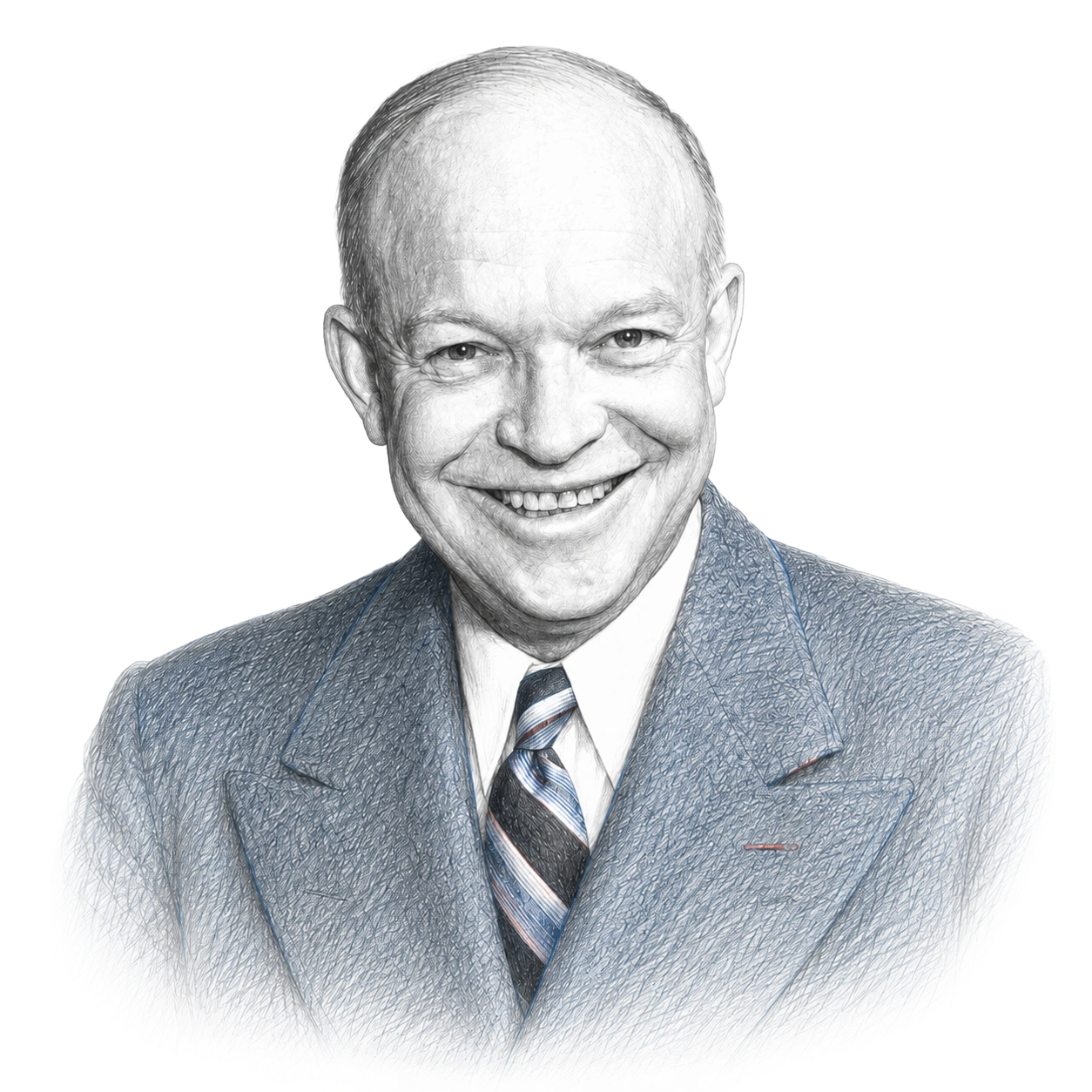
Dwight is a U.S. entrepreneur operating a successful consulting business in the United States.
He wants to expand into France by creating a Paris-based entity to:
- Serve European clients
- Establish a local presence
- Position the business for long-term growth in the EU market
His business is already profitable in the U.S.
His client base is growing internationally.
But like many entrepreneurs, he initially views French company formation as a simple administrative step.
In reality, without proper structuring, the setup could create:
- Tax inefficiencies
- Governance limitations
- Cross-border complications between the U.S. and France
The issue is not forming the company.
The issue is ensuring the structure works over the long term across jurisdictions
He wants to expand into France by creating a Paris-based entity to:
- Serve European clients
- Establish a local presence
- Position the business for long-term growth in the EU market
His business is already profitable in the U.S.
His client base is growing internationally.
But like many entrepreneurs, he initially views French company formation as a simple administrative step.
In reality, without proper structuring, the setup could create:
- Tax inefficiencies
- Governance limitations
- Cross-border complications between the U.S. and France
The issue is not forming the company.
The issue is ensuring the structure works over the long term across jurisdictions
The Challenge
If Dwight were to proceed without structuring, several issues would likely arise:
- Selecting a legal structure (e.g., an SAS vs. SARL) without considering governance flexibility, investor entry, or tax implications
- No clear coordination between the U.S. business and the French entity
- Capitalization that is technically sufficient but lacks credibility or operational alignment
- Governance documents that are too generic
- Banking setup delays due to lack of preparation or inconsistent documentation
- Misalignment between corporate structure and long-term objectives
The issue is not complexity.
The issue is that early decisions, if poorly made, are difficult and costly to correct later.
- Selecting a legal structure (e.g., an SAS vs. SARL) without considering governance flexibility, investor entry, or tax implications
- No clear coordination between the U.S. business and the French entity
- Capitalization that is technically sufficient but lacks credibility or operational alignment
- Governance documents that are too generic
- Banking setup delays due to lack of preparation or inconsistent documentation
- Misalignment between corporate structure and long-term objectives
The issue is not complexity.
The issue is that early decisions, if poorly made, are difficult and costly to correct later.
The Strategy
01
Defining the Optimal Structure
We would determine whether an SAS (Société par Actions Simplifiée) or an alternative structure is most appropriate based on:
- Flexibility of governance
- Potential for future investors
- Alignment with Dwight's U.S. operations
In most cross-border cases, the SAS provides the necessary adaptability.
- Flexibility of governance
- Potential for future investors
- Alignment with Dwight's U.S. operations
In most cross-border cases, the SAS provides the necessary adaptability.
02
Designing Ownership and Cross-Border Positioning
We would structure:
- Shareholding between Dwight and any existing U.S. entity
- The relationship between the U.S. business and the French company
- The framework for profit flows and operational coordination
This step is critical to avoid future issues related to tax exposure and group structuring.
- Shareholding between Dwight and any existing U.S. entity
- The relationship between the U.S. business and the French company
- The framework for profit flows and operational coordination
This step is critical to avoid future issues related to tax exposure and group structuring.
03
Drafting Tailored Corporate Documentation
We would prepare:
- Articles of association reflecting governance and control
- A shareholder agreement, if appropriate, addressing:
- Decision-making
- Transfer of shares
- Entry of future partners
Rather than using standard templates, the objective is to create a structure that is operationally and legally aligned from the outset.
- Articles of association reflecting governance and control
- A shareholder agreement, if appropriate, addressing:
- Decision-making
- Transfer of shares
- Entry of future partners
Rather than using standard templates, the objective is to create a structure that is operationally and legally aligned from the outset.
04
Structuring Capitalization and Banking Setup
We would guide Dwight through:
- The level and form of capital contributions (share capital or shareholder advances)
- The capital deposit process with a French bank
- Preparation of required documentation for account opening
Banking is often a bottleneck—anticipation is key to avoiding delays.
- The level and form of capital contributions (share capital or shareholder advances)
- The capital deposit process with a French bank
- Preparation of required documentation for account opening
Banking is often a bottleneck—anticipation is key to avoiding delays.
05
Registration and Administrative Implementation
We would handle:
- Filing with the Filing with the French Trade and Companies Register (RCS)
- Obtaining the Kbis extract (official company registration)
- Registration with tax and social authorities
We would thereby ensure that the company is fully operational from a legal standpoint.
- Filing with the Filing with the French Trade and Companies Register (RCS)
- Obtaining the Kbis extract (official company registration)
- Registration with tax and social authorities
We would thereby ensure that the company is fully operational from a legal standpoint.
06
Post-Formation Structuring and Operational Alignment
After incorporation, we would guide Dwight through:
- Ongoing compliance and governance
- Structuring of operations between the U.S. and France
- Adaptation of the structure as the business grows
Because formation is not the end of the process—it is the foundation.
- Ongoing compliance and governance
- Structuring of operations between the U.S. and France
- Adaptation of the structure as the business grows
Because formation is not the end of the process—it is the foundation.